

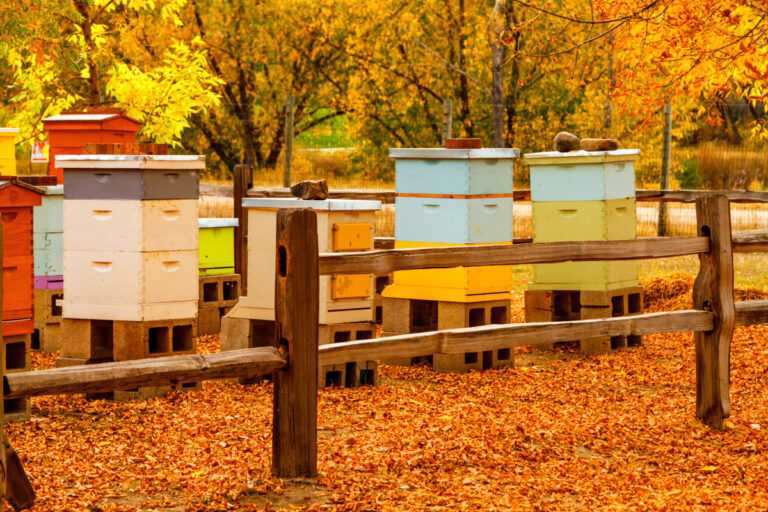
October in the Apiary: Preparing Your Bees for Winter
October is a very different month in the apiary. The long, warm days of summer have disappeared, the leaves are beginning to turn and the bees are preparing themselves for the colder months ahead.
For beekeepers, October is all about preparation, protection and making sure colonies have everything they need to survive the winter.
Although there may be fewer trips to the apiary than during the busy summer months, there are still plenty of important jobs to complete. A strong, healthy colony going into winter has a much better chance of emerging successfully in spring.
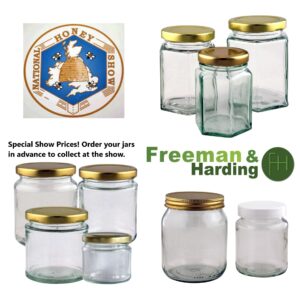
High on the calendar is a trip to the National Honey Show. With lectures, classes, judging and the all-important trade show, setting aside three days to visit is a must. Not least because Freeman & Harding have their best prices of the year, and many beekeepers take the opportunity to stock up on their jars for next season.
Check Your Bees Before Winter
As temperatures fall, bees become increasingly reluctant to leave the hive. The colony begins to cluster together to keep warm, and the queen’s egg-laying rate naturally reduces.
October is therefore a good time for a final assessment of the colony.
Look for signs that the bees are healthy and that the colony has sufficient food stores. Avoid unnecessary disturbance, particularly as the weather becomes colder.
The aim is to make sure the bees have what they need without opening the hive more than necessary.
Do Your Bees Have Enough Food?
One of the most important October jobs is checking food stores.
Honey is the bees’ natural winter food, but colonies can sometimes require additional feeding if their stores are insufficient. The amount required will depend on factors such as the size of the colony, the type of hive, local weather conditions and how much honey the bees have available.
Beekeepers should regularly monitor the situation and follow appropriate feeding guidance where necessary.
Remember that a colony can starve even when there is honey elsewhere in the apiary — the important consideration is whether the bees can access enough food within their winter cluster.
Protect the Hive From the Weather
Autumn weather in the UK can be unpredictable, with heavy rain, strong winds and increasingly cold temperatures.
Check that hives are secure and in good condition. Make sure roofs are watertight and that the hive is stable and protected from strong winds.
At the same time, ventilation remains important. The answer isn’t simply to seal the hive up completely. Condensation can create its own problems, so good hive management and appropriate ventilation are essential.
Think About Hive Pests
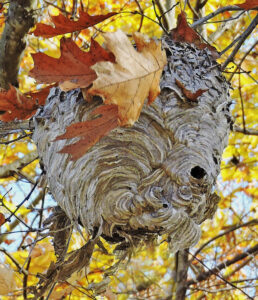
Varroa mites remain an important consideration for beekeepers throughout the year.
October is a good opportunity to ensure that your colony’s varroa management is on track and that any treatment being used is suitable for the time of year and the conditions in the hive.
Keeping good records throughout the season can make it much easier to understand what has happened within each colony and plan your management for the following year.
Keep the Entrance Clear
As autumn progresses, fallen leaves and debris can build up around the hive entrance.
Check entrances regularly and make sure they remain clear and appropriately sized for the colony.
A reduced entrance can also help with hive security, particularly against robbing and unwanted visitors.
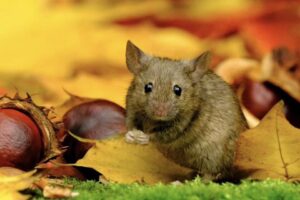
Protect Against Mice
As the weather gets colder, mice and other small animals may look for somewhere warm and sheltered.
Beehives can provide an attractive winter home, so suitable mouse protection should be considered where appropriate.
Check that any entrance protection is secure and that bees can still move freely in and out of the hive.
Don’t Forget About the Apiary Itself
October is also a good time to look beyond the individual hives.
Take a walk around your apiary and check:
A little maintenance now can save a lot of trouble when you’re standing in a muddy apiary in January!
What Happens to Bees in October?
As temperatures drop, bees spend more time inside the hive. The colony begins to form a winter cluster, with bees gathering closely together to conserve heat.
The queen’s activity decreases and there are generally fewer young bees being produced.
The bees aren’t simply “hibernating”, however. The colony remains active throughout winter, continually generating heat and moving around the hive to access food.
This is why having adequate stores in the right place is so important.
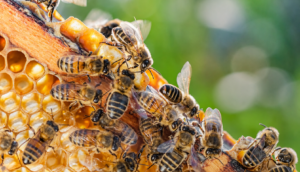
Start Thinking About Next Year’s Honey Crop
It may seem early to be thinking about next year’s honey, but October is actually a great time to start planning.
Look back at this year’s season. Which colonies performed particularly well? Which varieties of honey were popular with your customers? Did you have enough jars, lids and labels when you needed them?
If you sell your honey, now is an excellent time to review your packaging supplies before the next busy season arrives.
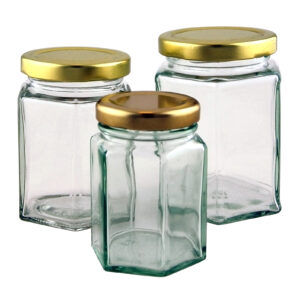
At Freeman & Harding, we supply a wide range of glass honey jars and suitable lids for beekeepers, honey producers and beekeeping associations.
Having your jars ready before the spring rush means one less thing to worry about when your bees get busy again.
Why Glass Honey Jars Are a Great Choice
Glass is a popular choice for presenting and storing honey. It allows customers to see the colour and appearance of the honey while providing a traditional, quality presentation.
For beekeepers selling their honey at farmers’ markets, farm shops, local stores or online, the right jar can make a real difference to the finished product.
Our range includes British-made honey jars, giving beekeepers the opportunity to choose quality glass packaging while supporting British manufacturing.
The eco credentials of glass are extremely important to beekeepers and conservation minded buyers. Glass can be recycled again and again, making it a practical choice for producers and consumers.
October Is a Time to Prepare
October may feel quieter than the height of the beekeeping season, but the work carried out now is incredibly important.
By checking colonies, monitoring food stores, protecting hives and preparing the apiary for winter, beekeepers can give their bees the best possible start to the colder months.
And while your bees are settling down for winter, it’s the perfect time for you to get organised too.
Check your honey jar stocks, order your packaging and get ready for another busy honey season.
At Freeman & Harding, we’re proud to support beekeepers and honey producers with quality glass jars and lids.
Prepare now, and you’ll be ready when the bees get busy again.
October Apiary Checklist
🐝 Check your colonies
Make sure your bees are healthy and prepared for winter.
🍯 Check food stores
Ensure colonies have adequate accessible food.
🏠 Check hive condition
Make sure roofs, boxes and stands are secure and weatherproof.
🌧️ Prepare for bad weather
Protect hives from wind and rain while maintaining suitable ventilation.
🐭 Consider mouse protection
Prevent unwanted winter visitors from taking up residence.
🔍 Monitor pests
Continue appropriate varroa monitoring and management.
📦 Check your honey jars
Make sure you have enough jars and lids ready for next year’s honey crop. Visit the National Honey Show.
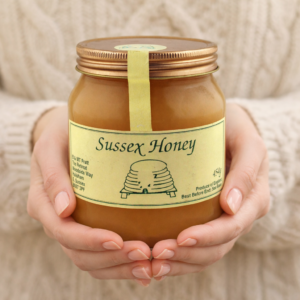
🎁 Do your sell your honey as gifts?
Check out gift packaging from Freeman and Harding. Two, three and four jar gift boxes are available to show off your honey and make a special gift.

📝 Review the season
Think about what worked well this year and what you could improve next season.
October is all about looking after today’s bees while preparing for tomorrow’s opportunities. With a little planning now, you can enjoy a more organised start to the next beekeeping season.
